

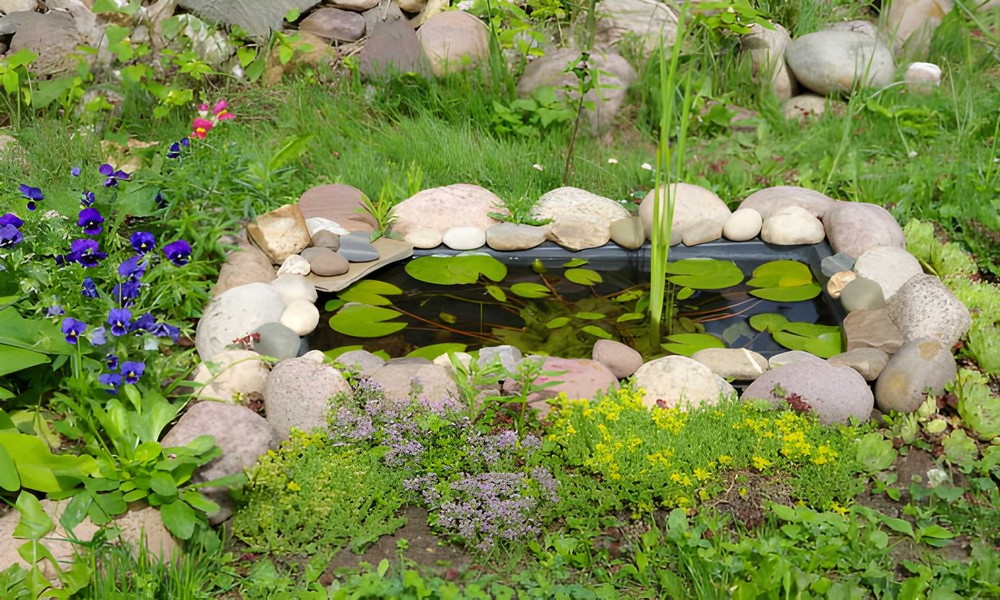
My previous perception of koi ponds was that they were all about fish. Colourful, peaceful, cool atmosphere. It was the image that was in my mind. One day, I found myself staring at the water rather than the koi, wondering why it was a little cloudy once again. That is when it clicked, the real star of the pond is not the fish. It is the filtration.
A koi pond, I slowly understood, behaves more like a small water treatment system than a garden feature.
While trying to understand filtration properly, I found the name of Evolution Aqua Nexus 220, which was mentioned on many websites. I also discussed it with That Pond Guy, who spoke about it in a very practical way, not as a fancy product but as something that solves real pond problems.
They explained how this system handles both solid waste and the invisible chemical waste produced by koi. That explanation helped me see filtration differently; it is not just about trapping dirt; it is about maintaining balance.
What a koi filter system really does
A good filter system works quietly in the background, doing several jobs at once:
- Removing fish waste and debris from the water
- Supporting beneficial bacteria growth
- Converting harmful ammonia into safer compounds
- Maintaining oxygen flow through the system
You don’t see most of this happening, but if it stops, the pond changes quickly.
Mechanical and biological filtration – two essential parts
I used to think a filter was just something that caught dirt. It is more complex.
Mechanical filtration focuses on:
- Catching visible debris
- Preventing sludge from circulating
- Keeping water visually clear
Biological filtration handles:
- Housing good bacteria
- Breaking down ammonia and nitrites
- Keeping water chemically safe for koi
Both parts must work together for a healthy pond.
Common mistakes beginners make
Looking back, these were mistakes I did not realise I was making:
- Choosing a filter that was too small for the pond size
- Assuming clear water meant healthy water
- Underestimating how much waste koi produce
- Ignoring the importance of water flow rate
These small errors lead to constant cleaning and unstable water conditions.
Why systems like the Nexus are often recommended
From what I learned, systems like this are popular because they combine multiple stages into one efficient unit.
- Easy cleaning without taking everything apart
- Strong water circulation inside the filter
- Large surface area for beneficial bacteria
- Handling both debris and water chemistry together
It simplifies pond management significantly.
Signs your filtration may not be adequate
I started noticing subtle issues that pointed to filtration problems:
- Water turning slightly cloudy often
- A mild smell on warmer days
- Fish staying near the surface more than usual
- Filters clogging faster than expected
These were clues that the system was struggling.
Final thoughts
The koi pond filter system introduced me to a new way of thinking about pond maintenance. When the filter system is doing its job properly, the water stays clearer, the koi thrive, and you spend far less time worrying about the pond. A koi pond is not merely stagnant water. It is water that is continually in motion, purified and harmonized here and there behind the scenes.
