

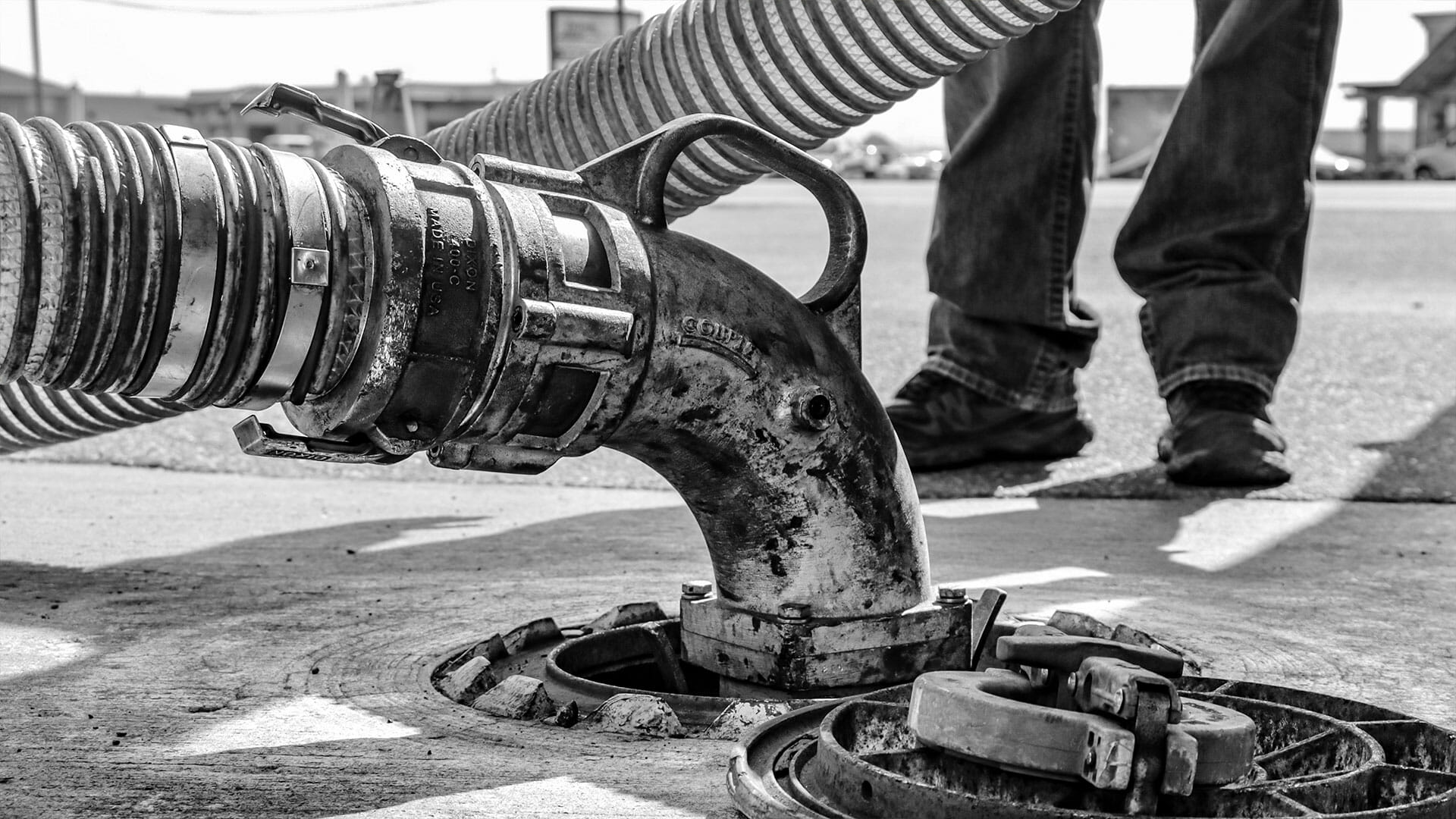
Agriculture remains a significant contributor to Colorado’s economy, not only by providing a way of life for rural communities but also by producing commodities that reach regional and national markets. The constant availability of fuel is essential for the continuation of farming, which is largely reliant on the use of machines, irrigation, and transportation. This is why the mention of G4 energy fuel delivery services here is a kind of nod to the whole gamut of bulk gasoline distribution systems, which are the lifeline of agricultural producers. Bulk gasoline delivery is, in many respects, the practical and logistical answer to the question of how farms and ranches scattered over the entire state can continue to operate effectively against all odds of nature and location.
Fuel as a Core Input in Agricultural Production
Most modern agricultural operations depend heavily on tractors and other gasoline-powered equipment for the production of farm products. Tractors, all-terrain vehicles, irrigation pumps, generators, and harvesters must be fuelled consistently, especially during peak planting and harvesting seasons. Lack of fuel for machinery can delay the preparation of the land, the maintenance of the crops, or the harvesting of the crops, which are often time and weather-dependent.
Agriculture in Colorado covers a variety of farming methods, including dryland farming, irrigation of crops, and livestock production. In irrigation farming areas, especially eastern Colorado, gasoline-powered pumps are most commonly used to transport water through fields. These machines can be left running for a long time during the growing season, and therefore, fuel becomes a major factor in the management of production. Deliveries of gasoline in bulk are one way of making sure that there is always enough fuel to meet these continuous requirements.
Geographic and Seasonal Considerations
Colorado’s landscape makes things complicated for logistics. In particular, areas that produce food are usually located at a considerable distance from urban fuel stations, especially in the plains and mountain regions. If farmers keep going to retail fuel outlets for their fuel needs, it would mean an increase in transport costs, a decrease in labor efficiency, and even equipment downtime.
Bulk gasoline delivery offers a solution to these problems by delivering the fuel that farms and ranches need directly to their premises. By having on-site storage tanks, producers are able to keep the reserves they need according to the seasons. When equipment usage goes up during the planting and harvesting seasons, access to bulk fuel can help lessen the times of disruption caused by not having enough supply or by having to go a very long distance to get refueled.
Seasonal weather changes have an impact on fuel management choices as well. At times, winter can be very severe, and a storm can come on suddenly; this can lead to the disruption of the transportation routes. Thus, the big fuel storage brought about by the advance purchase of fuel is of great importance. Having enough fuel for the operation is one of the ways that agricultural operators can prepare for the unexpected and be able to continue with their work even in difficult times.
Operational Efficiency and Cost Management
Fuel costs are a major part of the running costs of a farm. To keep these costs under control, it is necessary to accurately forecast the pattern of fuel demand and work out the schedule with the suppliers. Bulk gasoline delivery facilities allow farms to buy petrol in larger quantities, which might give more budget predictability compared to frequent, small-volume purchases.
An almost unlimited supply of fuel on the field also improves the time factor. Farm machinery operators need not leave the property to refuel, thus localizing the whole operation, without any delays, and cutting the unproductive travel time. These little time savings, when added up over a growing season, can lead to a kettle-free, smooth working season and raised productivity.
Moreover, a central storage unit makes it easy to check on the fuel usage. Farmers and farm managers can see how much fuel different machines consume and decide which to use for the purpose of getting the most out of a litre of fuel. Such oversight leads to better use of resources and more efficient long-term planning.
Safety and Regulatory Considerations
Storage and handling of fuel in Colorado are under the purview of environmental and safety rules, which aim at minimizing the risks of contamination and accidents. If a farm has a bulk gasoline tank, it must conform to the rules about the construction of the tank, ways to prevent spills, and proper labeling. Such protective measures are directed towards the conservation of soil, groundwater, and the environment in general.
Storage system setup with regulation compliance can be achieved by tank location, having a secondary containment system, and regular inspections. Proper fuel handling not only reduces the risk of the fuel spoiling, leaking, and being a fire hazard, but also ensures the safety of the farm and the environment. If the farm is in a remote place where the emergency services might be far, then it is very important to follow the safety standards thoroughly.
Education and training have a very important role in fuel handling safety and should not be overlooked. Farm workers must be well informed about the correct way of transferring fuel, what to do in case of a spill, and how to maintain storage equipment in good condition. Safety procedures should always be a core part of the operation of large fuel delivery systems.
Supporting Agricultural Resilience
Talking about Colorado’s agriculture, the sector is continually facing the challenge of climate variability, low commodity prices, and supply chain disruptions. A big factor in operational resilience is being able to get fuel at any time. Bulk gasoline delivery creates a logistics grid that makes it possible to have continuous production cycles without interruption, especially when demand is high.
There are constant changes in technologies used in farming, and the demand for fuel, in most cases, will be a function of changes in equipment design as well as other forms of energy. However, gasoline is still one of the primary energy sources for numerous operations across the state. On a broader scale, firms like G4 Energy Fuel Delivery are the link in the chain that helps farms and ranches stay put, keep control over expenses, and increase productivity in a region that is both climatically sensitive and geographically diverse.
