

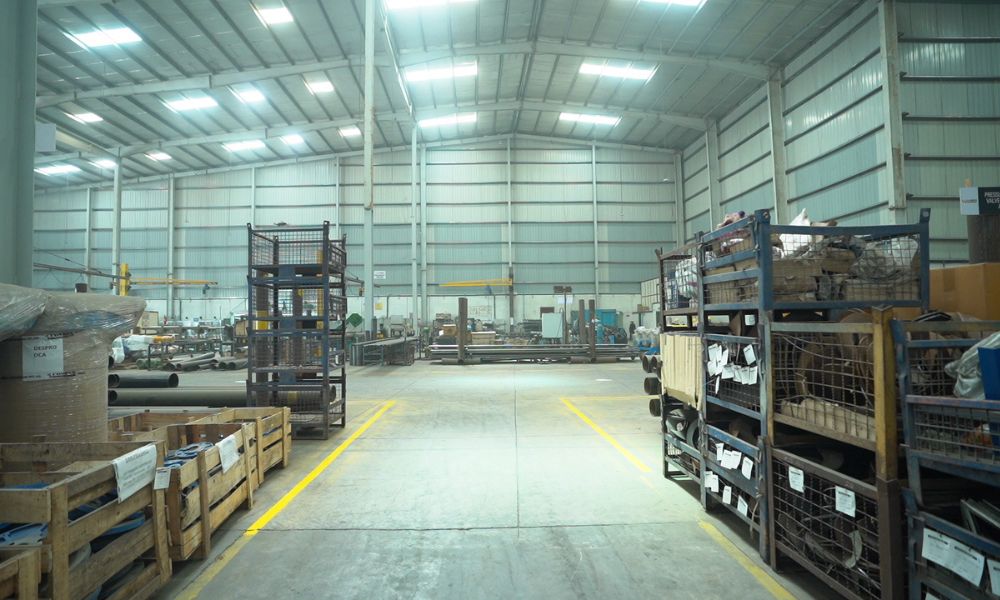
Modern construction methods are transforming the entire manufacturing landscape. New materials, design integrations, and cross-functional layouts have set higher expectations for industrial precision. These developments don’t just modernize existing facilities — they redefine how efficiency and adaptability merge. Modern developers integrate flexible leasing options, with factory for rent becoming part of adaptive planning methods.
Why Modern Frameworks Define Manufacturing
Industrial construction today operates under tighter design integration, balancing scalability with precision. These frameworks address evolving manufacturing needs by ensuring each facility can adjust to new technology cycles without structural strain. As industries demand greater adaptability, construction strategies now favor reconfigurable layouts that grow with production demands.
Precision Engineering At Structural Core
Structural engineering standards have advanced beyond strength and stability alone. Precision in alignment, material integrity, and component interconnection ensures predictable performance over long manufacturing cycles. By minimizing tolerance gaps, facilities achieve smoother installation of complex systems and faster equipment synchronization during operational shifts.
Operational Layouts Reinventing Production Flow
Efficiency in industrial architecture now centers on spatial intelligence. Smart floor layouts shorten transit times between production lines, while internal zoning enhances safety and supervision. Every layout decision ties directly to productivity goals, merging automation pathways and worker accessibility into a cohesive rhythm that supports faster output transitions.
Here’s how modern layouts are reshaping industrial flow:
- Shorter internal routes reduce equipment transit times
- Streamlined workstation placement cuts material handling delays
- Distinct zoning maintains clarity between mechanical and human operations
- Elevated pathways allow easier access for maintenance crews
- Modular panels simplify reconfiguration for changing product lines
- Vertical integration supports compact, multi-level production spaces
- Centralized storage reduces bottlenecks between production phases
- Enhanced lighting design improves precision and visibility across sections
These practical design integrations help manufacturers achieve continuous throughput while maintaining a balanced operational tempo.
Compliance Methods Strengthening Facility Integrity
Stringent compliance no longer serves only regulatory needs — it actively improves operational performance. Several upgraded compliance designs now integrate factory for rent to meet new construction protocols. Advanced inspection points, predictive maintenance markers, and structural monitoring tools all reduce unplanned downtimes while securing performance reliability across extended manufacturing periods.
Can Collaboration Really Scale Output?
Absolutely. When developers and industrial planners align early, projects evolve faster and smarter. Collaboration links material suppliers, process engineers, and equipment teams before ground is even broken.
The outcome? Consistency, fewer redesign delays, and a shared understanding of how every wall, conduit, and ceiling grid supports production flow. It’s a hands-on approach that saves both time and long-term operational costs while keeping facility performance aligned with future tech shifts.
Emerging Frameworks Enhancing Industrial Capacity
New industrial models favor modular scalability — allowing expansions without costly reconstruction. Structural modules can now be reassembled or extended to integrate new manufacturing lines or process zones. That flexibility gives manufacturers a cost-effective advantage when markets shift and production needs increase unexpectedly.
Structural Synergy Driving Ongoing Growth
Modern facilities evolve as ecosystems of engineering precision and adaptive vision. Design teams now synchronize structural load patterns with digital modeling systems, ensuring that new industrial requirements are easily absorbed. Each advancement pushes construction standards closer to intelligent adaptability — a future where manufacturing growth feels like an organic extension of the original plan.
