

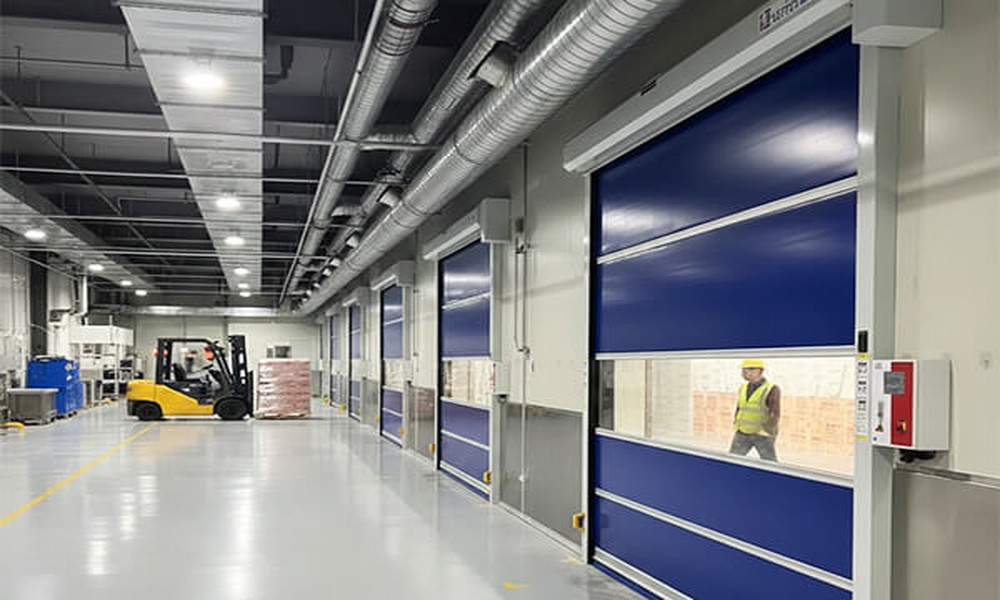
When is réparation de porte sectionnelle necessary and how to decide fast
A malfunctioning sectional door rarely waits for a convenient moment. One minute, your garage or warehouse is secure; the next, you hear a troubling snap or spot the door sagging out of alignment. How do you know if it’s time to call for repair, and how quickly should you act?
Recognizing When Sectional Door Repair Is Necessary
Some warning signs are impossible to ignore. Doors that grind, stick, or fail to open fully are waving red flags. If your door suddenly becomes heavier to lift, moves unevenly, or stops responding to controls, internal components may be failing. These functional failures can escalate quickly, unlike minor cosmetic dents or chipped paint, which rarely compromise safety or security.
Common Signs of Damage or Malfunction
– Unusual noises (grinding, squeaking, banging)
– Slowed or jerky movement
– Gaps forming between door panels
– Door not responding to controls or partially opening only
– Broken springs, bent tracks, or frayed cables
While a scuffed panel might irritate, these mechanical or electrical issues can bring operations to a halt and even create dangerous situations.
Differences Between Cosmetic Issues and Functional Failures
A few scratches or minor dings might not require urgent attention. However, if the door doesn’t seal properly, fails to open or close, or shows signs of spring or cable failure, safety is at risk. Waiting too long on a functional issue can turn a small repair into a costly overhaul.
Impact of Ignoring Early Warning Signs
Small problems rarely fix themselves. Neglecting the early symptoms could lead to a total breakdown or even injury. In high-traffic facilities, downtime isn’t just inconvenient; it can disrupt workflows, reduce security, and pose compliance risks.
Comparing Repair Needs: Residential vs Commercial Sectional Doors
The context of your door greatly affects repair urgency and methods.
Typical Repair Scenarios in Residential Settings
In homes, sectional doors often suffer from accidental bumps, weather-related wear, and occasional spring failures. Repairs tend to be straightforward and, if caught early, rarely require emergency intervention.
Unique Challenges with Commercial and Industrial Doors
Warehouses, underground parking, and busy loading bays push sectional doors to their limits. These settings demand rapid response for broken springs, damaged tracks, or failed motors, often outside of regular business hours.
How Usage Patterns Influence Repair Frequency
The more cycles a door performs, the faster its components wear out. Commercial doors may exceed hundreds of cycles per day, while residential doors often see fewer than ten. Preventive maintenance schedules are essential for businesses but can be more relaxed at home.
Emergency Repairs vs Scheduled Maintenance: Which to Choose?
When a door is stuck open in winter or won’t secure your facility overnight, waiting isn’t wise.
Situations Demanding Immediate Attention
– Door stuck in open or closed position
– Complete failure to operate (manual or automatic)
– Broken cables or snapped springs
– Security or safety compromised
Benefits of Preventive Inspections and Routine Maintenance
Catching component fatigue before it becomes a breakdown saves time and money. Regular inspections ensure smooth operation and extend the life of your door.
Cost Implications of Emergency Repairs Compared to Planned Services
Emergency repairs often incur higher costs and downtime, especially after hours. Planned maintenance is not only cheaper but also more predictable.
Evaluating Repair Options: DIY, Professional Service, or Replacement
Sometimes, tightening a hinge is all it takes. Other times, a licensed technician is essential.
Pros and Cons of DIY Repair Attempts
Simple fixes like lubricating rollers or replacing remote batteries are within most homeowners’ reach. However, spring or cable repairs are dangerous without proper tools and expertise.
When to Hire Certified Technicians
Commercial environments and complex mechanical failures always warrant a professional. Certified technicians, such as those from réparation de porte sectionnelle Dor Docteur, ensure warranty compliance, safety, and long-lasting solutions.
Deciding Between Repair and Full Door Replacement
Age, frequency of breakdowns, and the cost of repeated repairs should all factor into this decision. If your door is nearing the end of its expected lifespan or parts are obsolete, replacement may be the smarter investment.
Key Factors to Consider for Fast Decision-Making
Speed matters when security and daily operations are at stake.
Assessing Door Age, Warranty, and Brand Support
Doors under warranty may qualify for free or discounted repairs. Older models or unsupported brands may limit your options and push toward replacement.
Safety Risks and Compliance Requirements
Especially in commercial settings, failing to fix a damaged door can violate safety codes or insurance requirements.
Availability and Speed of Service Providers
Look for service companies that promise same-day or 24/7 support. Quick response time can make all the difference.
Service Models: On-Demand Repair vs Contractual Maintenance
Choosing how you structure your repairs can impact cost and peace of mind.
Understanding Emergency 24/7 Repair Services
Many companies now offer around-the-clock emergency services, which is critical when unexpected failures threaten operations.
Advantages of Maintenance Contracts for Commercial Doors
Scheduled maintenance contracts help businesses avoid costly downtime and ensure regular safety inspections.
How Service Guarantees Affect Repair Decisions
Providers who guarantee their repairs give added assurance that problems won’t return soon, adding confidence to your decision.
Choosing the Right Repair Provider: What to Look For
Not every provider is created equal.
Credentials, Insurance, and Licensing
Always check for certification, insurance, and proper licensing, especially for commercial work.
Reviews, Testimonials, and Proven Track Records
Word-of-mouth and online reviews offer insight into reliability and quality.
Transparency in Pricing and Repair Scope
Clarity around what is covered, costs, and expected outcomes ensures no surprises.
Case Studies: Comparing Outcomes of Different Repair Approaches
A homeowner who ignored a fraying cable faced a weekend lock-in, while another who scheduled a quick fix was back in business within the hour. In industrial settings, companies with maintenance contracts experience fewer catastrophic failures and less downtime, proving proactive care beats crisis mode every time.
When the stakes are high, acting fast and choosing expert help can save money, time, and stress. Recognize the signs, weigh your options, and turn to trusted professionals when the situation calls for it.
