

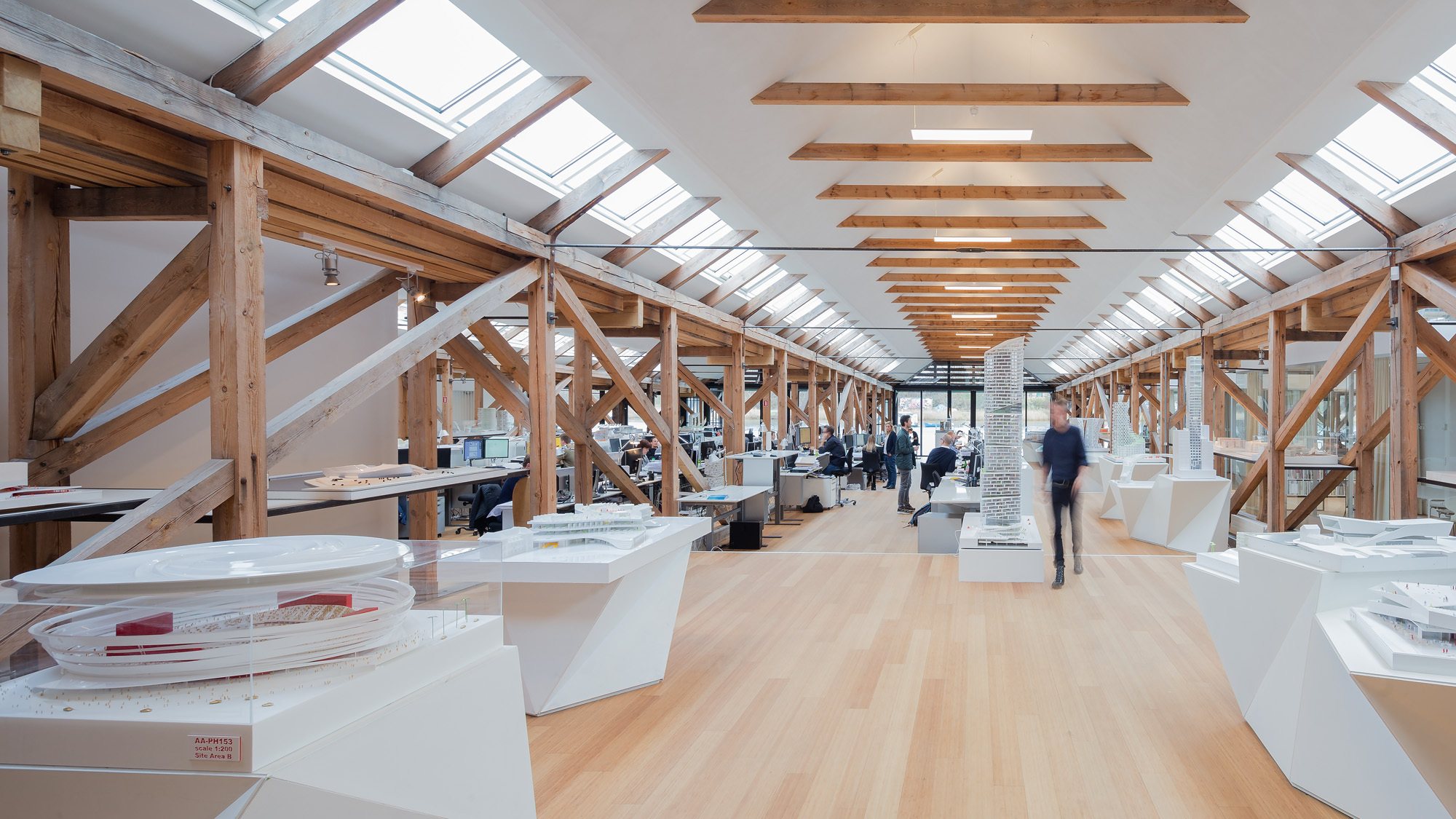
Ambitious architectural projects rarely fit neatly into a single box. Today’s built environments demand flexibility, resilience, and the ability to blend influences from diverse sectors. For beginners, understanding the true scope and potential hurdles of multi-sector architectural design is essential, whether your interest lies in designing residential communities, commercial hubs, or state-of-the-art industrial facilities.
Understanding Multi-Sector Architectural Design
Defining Multi-Sector Architectural Design
At its core, multi-sector architectural design means crafting spaces that pull expertise from several industries, rather than specializing in just one. Architects engaged in this field might find themselves working on everything from condominium towers and data centers to retail showrooms and public institutions. The goal? To apply lessons learned in one context to creatively enhance another.
Overview of Sectors: Residential, Commercial, Industrial, Institutional
Each sector brings unique goals and standards. Residential design puts people’s comfort and well-being first, while commercial projects focus on business branding and customer flow. Industrial structures prioritize operational efficiency and safety, and institutional buildings must serve the public reliably, often while meeting stringent regulations. The true magic lies in seeing where these priorities intersect or conflict.
The Importance of Cross-Sector Expertise
Why does cross-sector knowledge matter so much? The answer is simple: projects are increasingly complex. Picture a mixed-use development with retail at street level, residential units above, and integrated public amenities. A generalist architect might overlook crucial industry-specific requirements. Multi-sector specialists, by contrast, can synthesize insights to deliver spaces that truly work for every stakeholder.
Key Challenges in Multi-Sector Architectural Projects
Navigating Diverse Regulatory and Compliance Requirements
Every sector comes with its own governing codes, standards, and documentation expectations. Balancing national building codes with sector-specific mandates, like food safety in an industrial kitchen or accessibility in public spaces, requires precision and up-to-date knowledge. Overlooking a minor regulation can lead to costly delays or forced redesigns.
Balancing Functional Needs Across Sectors
A design that maximizes loading dock efficiency for a distribution center may compromise the comfort expected in adjacent office spaces. The challenge is finding creative trade-offs, ensuring that each function is optimized without sacrificing the overall vision.
Managing Complex Stakeholder Expectations
Clients, end-users, regulatory authorities, and investors often have competing priorities. In multi-sector projects, these voices multiply. Aligning expectations, facilitating clear communication, and mediating conflicts can be more demanding than the technical design work itself.
Adapting Design to Varied Site and Environmental Constraints
Urban sites, brownfields, and suburban greenfields all present distinct challenges. For example, integrating an industrial operation into a residential neighborhood takes sensitivity to noise, traffic, and aesthetics. Only architects who are skilled in adaptive design can navigate this terrain without compromising sustainability or community acceptance.
Sector-Specific Design Considerations
Residential: Comfort, Safety, and Community Integration
In residential architecture, daylight, airflow, safety features, and social spaces take center stage. The aim is not just to provide shelter but to foster a sense of belonging and enhance quality of life.
Commercial: Branding, Customer Experience, and Flexibility
Here, design choices directly impact business success. Storefronts need visual impact, interiors must guide customer journeys, and layouts must allow for future changes in retail strategy or technology.
Industrial: Efficiency, Safety, and Specialized Infrastructure
Industrial projects are all about workflow optimization and worker protection. Robust structural systems, clear egress paths, and specialized HVAC or process systems are non-negotiable.
Institutional: Accessibility, Durability, and Public Use
Public buildings must endure heavy use and comply with accessibility standards. Thoughtful wayfinding, resilient finishes, and inclusive amenities are fundamental.
Integrating Innovations and Sustainable Practices
Incorporating Technology in Multi-Sector Designs
From smart building controls to modular construction, technology is transforming how spaces are conceived and delivered. Architects who stay ahead in digital design tools and automation can deliver more adaptable and efficient solutions.
Sustainable Materials and Energy Efficiency Across Sectors
Sustainability is a unifying priority. Materials selection, high-performance envelopes, and energy systems must be evaluated not only for green benefits but also for sector-specific needs, such as food-grade finishes in industrial settings or acoustics in schools.
Future Trends Impacting Multi-Sector Architecture
Expect to see more integration of renewable energy systems, biophilic design elements, and data-driven performance monitoring, each tailored to the demands of the sector at hand.
Project Management and Collaboration Strategies
Coordinating Multidisciplinary Teams
Success hinges on collaboration across architects, engineers, consultants, and contractors. Creating clear workflows and ensuring everyone understands sector-specific requirements is vital to avoid costly missteps.
Communication Techniques for Stakeholder Alignment
Regular, structured updates and visual communication tools (such as 3D models) help keep all parties informed and invested, especially when navigating the competing interests of multi-sector projects.
Risk Management and Problem-Solving in Diverse Projects
Identifying sector-specific risks early and planning mitigation strategies can be the difference between on-time delivery and expensive overruns.
Case Studies and Real-World Applications
Successful Multi-Sector Architectural Projects Overview
Canada offers impressive examples of multi-sector design done right, particularly in cities like Montréal, Laval, and Québec. These projects often unite residential towers, retail complexes, and industrial facilities into vibrant, functional communities.
Lessons Learned from Common Pitfalls
A consistent theme emerges: projects stumble when teams underestimate the complexity of regulatory demands or fail to align stakeholder goals early.
How Firms Like Stendel + Reich Approach Multi-Sector Design
Experienced firms such as firme architecte Stendel + Reich are often called upon for exactly these challenges. Their portfolios demonstrate an ability to bridge industrial, commercial, and residential requirements, and to manage the balancing act of innovative design with compliance, efficiency, and community benefit.
Ultimately, for those just starting out in architectural design, understanding the multi-sector landscape is not about mastering every sector, but about knowing when to seek specialized insight and how to orchestrate collaboration for truly successful projects.
